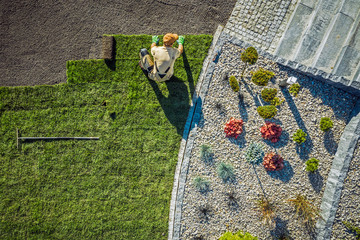
A quality landscape design can add value to your home and eliminate costly maintenance. But how much should you budget?
Costs vary by designer and project. Some charge hourly rates, while others use flat rate pricing.
Hardscaping is often the most expensive element of a design, followed by plantings. Other costs include labor and materials. Contact Landscaping Honolulu for more information.
Site Analysis
Site analysis is the first phase of the design process and lays the foundation for the rest of the project. It includes a survey of the physical landscape and its surroundings, including existing plants, soil conditions, drainage, utilities and access points. It also identifies potential issues like environmental constraints, accessibility and legal regulations. The end result of the site analysis will be a series of maps, diagrams and drawings that serve as the framework for the design process.
The results of the site analysis are the basis for all decisions made throughout the remainder of the design process and help to define what a client wants from their outdoor space. This includes determining the feasibility of the project, ensuring that it meets the needs and desires of the community and ensuring compliance with local zoning laws and building codes.
Landscape designers use a variety of software programs to streamline data collection, visualization and interpretation. These tools make it easier to incorporate information like topographical surveys, hydrology and sunlight exposure into the design process. Detailed and accurate site analysis is essential for a successful project.
It is important to discuss the budget upfront and work with the designer to create a plan that fits within your price range. Landscaping projects can add up quickly, especially if you are adding hardscape elements or xeriscaping. Choosing low-maintenance and sustainable options can help keep costs down.
Landscape design fees can vary greatly, depending on the scope of the project and the complexity of the landscape. Hourly rates can range from $50 to $150, and may be higher for more experienced designers with a portfolio of successful projects. A good rule of thumb is to hire a professional with at least five years of experience.
Design Consultation
During the design consultation, your landscape professional will discuss with you the details of your project. They will also ask you questions about your budget and lifestyle to help them understand your goals for the landscape and how much you want to spend. Many clients are cagey about sharing their true budget with a landscaping professional, but honesty is key to a good working relationship. Your designer can then prepare a concept plan and preliminary budget for your review. They should give you a range, rather than an exact number, as they will be checking current prices for everything from plants to hardscape materials to labor.
The complexity of your project will directly impact the cost of the design. A basic garden with a patio and some plants will be cheaper than a multi-level outdoor living space with a pergola, fire pit, water feature, and more. The size of your property will also be a factor. Larger spaces require more time and detailed planning, which will increase the overall cost.
Your landscaping professional will use their knowledge of horticulture, local conditions, and your desired aesthetic to create the most cost-effective design for your needs and budget. They will also consider any challenges that your space may present, such as slopes or drainage issues.
Some designers will charge an hourly rate, while others will charge a flat fee per design or as a percentage of the final project cost. An experienced designer with a good reputation will likely charge more than a newer or less-established designer. Many landscape professionals include a not-to-exceed amount in their contracts to ensure transparency about the total costs of your landscape design. This will give you a realistic idea of what to expect from the initial budget to the completion of your project. In order to keep your project on track, it’s important to regularly compare spending to your initial estimates and make adjustments if necessary. Staying within your budget will ensure a successful project without any unexpected surprises.
Site Plan
A landscape designer creates a plan that illustrates what you want in your yard, how it will look, and what elements are necessary. It is a complex mix of art and science that requires a professional touch.
During this phase, your landscaper can give you an estimate of the project cost. Depending on your budget, they may offer alternatives or suggest ways to save money. For example, instead of grass, you might choose pavers or gravel to reduce the amount of upkeep required.
Landscaping design costs vary widely, and it is important to understand these differences. Some designers charge a flat fee for the design, while others bill by the hour or as a percentage of the total project cost. The size of your property and the complexity of the design will also impact the cost. For example, a retaining wall or outdoor kitchen is more expensive than simple plantings.
The type of landscape materials you select will have a significant effect on the overall project cost. Higher-end materials, such as stone or concrete, typically cost more than standard materials like sod and mulch. It is a good idea to discuss your preferences with the landscape designer to find a material that fits your style and budget.
Another factor that affects the final landscape design costs is the timing of the project. Most designers are busier during the spring and summer, when their services are in high demand. You can often get a better deal by hiring a landscaper during the winter or fall, when demand is lower.
If you are building a new home or making major structural changes, you may need to hire a surveyor to prepare a topographic survey of your property. This will include information about the dimensions, location, and elevation of your property boundaries. The survey will help your landscaper make accurate estimates for the site plan and prepare a soil test to determine the best types of plants for your yard.
You can also reduce landscaping design costs by purchasing materials in bulk. Many suppliers offer volume discounts, which can significantly cut your costs. Additionally, you can often save money by choosing low-maintenance plants and implementing hardscape features, such as garden paths and patios, rather than a large lawn. These elements require less upkeep than a grass lawn and can reduce your water and fertilizer costs.
Materials List
While you might be tempted to tackle the landscape design process on your own, it’s best to hire a professional. During the design phase, a landscaping designer creates a plan that aligns your vision with what’s achievable and helps keep costs in check.
The size of your property and the complexity of your landscape are major determinants of the total cost. For example, a basic landscape design for a midsize yard with simple native plants and a stone path will cost less than a larger garden that features water features and exotic flora. The type of materials you select also impact cost. For instance, retaining walls and patios require expensive materials like concrete and stone that add up quickly. In contrast, softscaping, which includes flowers, shrubs, and grass, is more affordable.
You’ll also need to consider whether your project will require permits. Some cities require permits for certain outdoor elements, including pools and outdoor kitchens. If this is the case, it’ll cost more to secure the necessary paperwork and inspections than if your project doesn’t require a permit.
Once the design plan is complete, your designer will provide a detailed list of all the materials and quantities needed for the installation. This allows you to shop around for the best prices and coordinate delivery dates to match your construction schedule. This way, you can avoid costly delays and ensure that all work is done in accordance with your landscape plans.
Some designers charge hourly, while others offer a flat rate for the entire design process. The latter option usually includes design consultations and revisions, but does not include time spent with landscapers or addressing site challenges like steep slopes or poor drainage.
When choosing a landscape designer, look for one with experience and a portfolio that reflects your aesthetic preferences. A good designer will earn your trust by helping you discover what’s possible within your budget and providing honest feedback about the scope of the project. To reduce costs, you can also consider phasing your landscape project instead of undertaking all the work at once. This will let you build toward your dream yard piece by piece without breaking the bank.
Visit our Professional Services Blogs
Hialeah Tree Care, SASA Net, Scoop Medias, Durant Tree Care, Medellin Landscape Solutions, Oakland Lawn Mowing, Wisconsin Lawn Sprinkler, Schoettler Home Improvements, Siding Options Home, Bilbao Architecture Design