You walk into the kitchen late at night and switch on the light. Suddenly a small shadow darts across the floor and disappears under the cabinet. A line of ants appears along the countertop, or a scratching sound echoes faintly from behind the walls. These moments can quickly turn from mild annoyance to serious concern. Pests are more than an inconvenience. They can threaten the cleanliness of your home, damage property, and pose risks to health. Effective pest control is essential for maintaining a safe and comfortable living environment.
Understanding the Importance of Pest Control
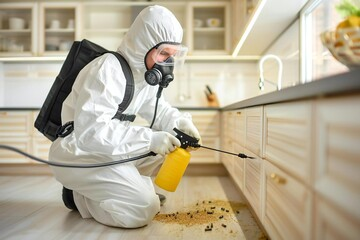
Port St Lucie Pest Control refers to the process of identifying, managing, and eliminating unwanted insects and animals that invade living spaces. Common pests include ants, cockroaches, rodents, termites, and mosquitoes. While some pests may seem harmless at first, many can cause significant damage or carry harmful bacteria.
Rodents can chew through wiring, insulation, and stored items. This behavior not only damages property but can also increase the risk of electrical fires. Termites feed on wood and structural materials, gradually weakening the integrity of buildings. Insects such as cockroaches can contaminate food surfaces and spread bacteria.
Ignoring pest activity often allows infestations to grow rapidly. Many pests reproduce quickly and hide in areas that are difficult to access. By the time visible signs appear, the infestation may already be well established.
Effective pest control addresses both the immediate problem and the underlying conditions that allowed pests to enter the home. This approach protects both the structure and the people living within it.
Common Types of Household Pests
Different types of pests present different challenges. Understanding their behaviors helps homeowners recognize warning signs and respond appropriately.
Ants are among the most common household invaders. They often enter homes in search of food and water. Once a colony discovers a reliable source, large numbers may appear quickly. While some ants are relatively harmless, others can damage wood or create unsanitary conditions.
Cockroaches thrive in warm and humid environments. They often hide in kitchens, bathrooms, and basements. These pests can carry bacteria and allergens that affect indoor air quality and overall health.
Rodents such as mice and rats are highly adaptable and can squeeze through small openings. Once inside a home, they may build nests in walls, attics, or storage areas. Their droppings and urine can contaminate surfaces and create health risks.
Termites are among the most destructive pests. They consume wood and other cellulose materials, often causing damage that remains hidden until structural problems become noticeable.
Mosquitoes and other flying insects may not damage property, but they can be carriers of diseases and cause significant discomfort in outdoor areas.
Recognizing the characteristics of different pests helps determine the most effective methods for controlling them.
The Pest Control Process
The pest control process typically begins with a detailed inspection of the property. During this stage, technicians examine both interior and exterior areas to identify signs of pest activity. This may include searching for droppings, nests, damaged materials, or entry points.
Once the source of the infestation is identified, a treatment plan is developed. The approach depends on the type of pest and the severity of the problem. Treatments may involve targeted applications in specific areas where pests are active.
Professional pest control focuses on eliminating pests while minimizing disruption to the household. Modern techniques are designed to be both effective and responsible when used properly.
After treatment, monitoring is often recommended to ensure that pests do not return. Follow up inspections help confirm that the infestation has been fully resolved.
Long term success depends on addressing both the pests themselves and the environmental conditions that attract them. Sealing entry points, removing food sources, and maintaining cleanliness all contribute to lasting results.
Preventing Pest Infestations
Prevention is one of the most effective strategies in pest control. By creating an environment that is less attractive to pests, homeowners can reduce the likelihood of infestations.
Maintaining cleanliness is a key factor. Food crumbs, spills, and uncovered trash can attract insects and rodents. Regular cleaning and proper food storage help eliminate these attractions.
Sealing cracks and gaps around doors, windows, and foundations prevents pests from entering the home. Even small openings can provide access for insects and rodents.
Moisture control is another important aspect of prevention. Many pests are drawn to damp environments. Repairing leaking pipes and ensuring proper ventilation helps reduce humidity levels.
Outdoor maintenance also plays a role. Trimming vegetation away from the house and removing standing water reduces potential nesting areas. Keeping the yard tidy discourages pests from settling near the home.
By combining these preventative measures with regular inspections, homeowners can maintain a pest free environment.
Health and Safety Benefits of Pest Control
Pest control provides significant health and safety benefits for households. Many pests carry bacteria, viruses, or parasites that can contaminate food and living spaces. Eliminating these pests reduces the risk of illness.
Allergens from cockroaches and rodents can trigger asthma and allergic reactions, especially in children and sensitive individuals. Controlling infestations improves indoor air quality and overall comfort.
Structural damage caused by pests can also create safety hazards. Termites may weaken wooden beams and flooring, while rodents can damage electrical systems. Addressing infestations promptly protects the structural integrity of the home.
Beyond physical health, living in a pest free environment contributes to mental well being. Persistent pest problems can create stress and discomfort. Effective pest control restores peace of mind and allows residents to feel secure in their homes.
Maintaining a clean and safe environment benefits both the property and the people who live there.
The Role of Professional Pest Control Services
While some minor pest issues can be addressed with basic methods, professional pest control services often provide more comprehensive solutions. Experienced technicians understand the behaviors and life cycles of different pests, which allows them to target infestations effectively.
Professional services include thorough inspections, specialized treatments, and ongoing monitoring. Technicians have access to tools and products designed specifically for pest management.
Another advantage of professional pest control is expertise in identifying hidden infestations. Pests often reside in areas that are difficult to reach or observe. Trained professionals know where to look and how to address these issues safely.
Working with experienced professionals also ensures that treatments are applied correctly. This helps protect the household while achieving reliable results.
By combining professional services with preventative practices, homeowners can maintain long term protection against pests.
Conclusion: Maintaining a Safe and Pest Free Home
Pest control is an essential part of maintaining a healthy and comfortable home. From ants and cockroaches to rodents and termites, unwanted pests can damage property and threaten well being.
Understanding the behaviors of pests, implementing preventative measures, and addressing infestations promptly all contribute to effective control. Professional expertise further enhances the ability to eliminate pests and prevent their return.
A clean and well maintained home is less attractive to pests and more enjoyable for residents. By prioritizing pest control, homeowners create an environment that supports safety, health, and peace of mind.