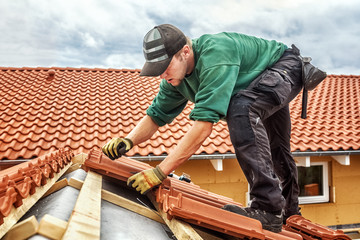
Stand outside your home and look up. Your roof is the silent guardian that shields everything beneath it. It withstands heavy rain, harsh sunlight, strong winds, and shifting temperatures year after year. Yet many homeowners only think about their roof when a leak appears or visible damage becomes impossible to ignore.
Roofing installation at Cedar Park Roofing Pro is one of the most important investments you can make in your property. When done correctly, it provides long term protection, energy efficiency, and peace of mind for decades.
The Importance of Professional Roofing Installation
Roofing installation is not simply about placing shingles on top of a structure. It involves careful planning, precise measurements, and expert craftsmanship. A properly installed roof protects against moisture intrusion, structural damage, and temperature fluctuations. It also enhances curb appeal and increases property value.
Poor installation can lead to significant problems. Even high quality materials will fail prematurely if they are not installed correctly. Gaps, improper sealing, or inadequate ventilation can result in leaks, mold growth, and insulation damage. Over time, these issues may require costly repairs.
Professional roofing installation ensures that every component works together as a complete system. From underlayment and flashing to shingles and ventilation, each layer plays a role in maintaining durability and performance. Skilled technicians follow established guidelines and safety standards to deliver reliable results.
Investing in professional installation at the outset prevents long term complications and ensures that your roof performs as intended.
Preparing for a Roofing Installation Project
Proper preparation is essential for a successful roofing installation. Before work begins, a thorough inspection of the existing structure is conducted. This evaluation determines whether underlying decking or support structures need reinforcement or replacement.
Removing old roofing materials is often necessary to provide a clean and stable foundation. This process allows technicians to inspect the decking for signs of rot, moisture damage, or structural weakness. Addressing these issues before installation prevents hidden problems from compromising the new roof.
Choosing the right roofing material is another important step. Options vary in durability, appearance, and maintenance requirements. Climate conditions and architectural style influence material selection. Professional guidance helps homeowners select materials that align with both aesthetic preferences and practical needs.
Planning also involves scheduling and coordinating the installation timeline. Weather conditions can impact progress, so selecting an appropriate time of year contributes to a smoother process. Clear communication between homeowners and contractors ensures expectations are aligned.
The Roofing Installation Process Explained
The roofing installation process follows a structured sequence to ensure optimal performance. After the old materials are removed and the decking is inspected, underlayment is installed. This protective barrier provides an additional layer of defense against moisture.
Flashing is then placed around vulnerable areas such as chimneys, vents, and valleys. Proper flashing installation prevents water from seeping into joints and seams. Attention to detail at this stage is critical for long term leak prevention.
Next, shingles or other chosen roofing materials are installed according to manufacturer guidelines. Each piece is secured carefully to withstand wind and weather conditions. Alignment and spacing are essential for both functionality and visual appeal.
Ventilation components are incorporated to promote airflow within the attic space. Adequate ventilation prevents heat buildup and moisture accumulation, which can reduce the lifespan of roofing materials.
Once installation is complete, a thorough inspection ensures that all elements are secure and properly aligned. Cleanup and removal of debris leave the property in good condition.
Roofing Materials and Their Benefits
Selecting the right roofing material is a key decision in the installation process. Each material offers distinct advantages.
Asphalt shingles are popular due to their affordability and versatility. They provide reliable protection and come in various colors and styles. Proper installation ensures they withstand wind and rain effectively.
Metal roofing offers durability and longevity. It reflects sunlight, contributing to energy efficiency. Metal roofs are resistant to fire and require minimal maintenance.
Tile roofing provides a distinctive appearance and long lasting performance. It is particularly durable in warm climates. However, proper structural support is necessary due to its weight.
Wood shingles offer natural beauty and insulation benefits. They require regular maintenance to prevent moisture damage and decay.
Professional roofing installation ensures that the selected material is installed correctly to maximize its benefits and lifespan.
Energy Efficiency and Long Term Performance
A well installed roof contributes significantly to energy efficiency. Proper insulation and ventilation regulate indoor temperatures and reduce strain on heating and cooling systems.
During roofing installation, attention is given to sealing gaps and ensuring airtight construction. This prevents conditioned air from escaping and minimizes drafts. Reflective materials can further enhance efficiency by reducing heat absorption.
Long term performance depends on both material quality and installation precision. Routine maintenance and inspections extend the life of the roof and identify potential issues early.
Energy efficient roofing solutions not only reduce utility costs but also support environmental sustainability. Investing in a properly installed roof benefits both homeowners and the broader environment.
Common Mistakes to Avoid During Roofing Installation
Roofing installation requires expertise to avoid costly errors. Improper alignment of shingles can lead to water penetration and reduced durability. Inadequate flashing installation increases the risk of leaks.
Skipping ventilation components may cause heat and moisture buildup, shortening the lifespan of roofing materials. Failing to replace damaged decking can compromise structural integrity.
Attempting installation without proper training or safety equipment increases the risk of accidents and improper workmanship. Professional installation minimizes these risks and ensures compliance with safety standards.
By avoiding shortcuts and prioritizing quality, homeowners protect their investment and enjoy reliable performance for years.
Choosing a Reliable Roofing Installation Professional
Selecting the right professional for roofing installation is a critical decision. Experience and knowledge of roofing systems contribute to successful outcomes. Skilled installers understand the complexities of various materials and installation techniques.
Clear communication and detailed project estimates build trust. Homeowners should feel confident that the scope of work is clearly defined and that timelines are realistic.
Adherence to safety standards and building codes demonstrates professionalism. Roofing work involves potential hazards, and trained professionals prioritize safety throughout the project.
Positive feedback and references can provide reassurance about reliability and workmanship. Establishing a strong working relationship ensures ongoing support for future inspections and maintenance.
Investing in a qualified professional ensures that roofing installation is completed efficiently and effectively.
Conclusion: Building a Strong Foundation with Expert Roofing Installation
Roofing installation is one of the most significant investments a homeowner can make. A properly installed roof provides protection, enhances energy efficiency, and adds lasting value to the property.
By understanding the process, selecting appropriate materials, and working with experienced professionals, homeowners ensure that their roof performs reliably for decades. A strong roof is more than a structural component. It is the foundation of comfort, security, and peace of mind within your home.