When homeowners think about maintaining a clean and healthy living space, they often focus on visible surfaces such as floors, countertops, and furniture. Regular vacuuming, dusting, and mopping can make a home appear spotless, but some of the most important areas affecting indoor cleanliness are hidden from view. One of these overlooked areas is the air duct system that circulates air throughout the home. Over time, air ducts can accumulate dust, debris, and other contaminants that remain out of sight but still influence the quality of the air everyone breathes indoors.
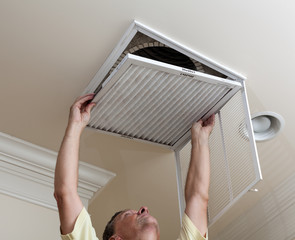
Air ducts play a crucial role in maintaining indoor comfort by distributing heated or cooled air through different rooms. Every time the heating or cooling system runs, air travels through a network of ducts before entering living spaces through vents. While this process keeps the home comfortable, it also means that any particles present in the ductwork can be carried into the air that circulates throughout the house. As months and years pass, dust, pollen, pet hair, and other particles may gradually collect inside these ducts, creating hidden buildup that affects both air quality and overall cleanliness.
Many homeowners are surprised to learn how quickly contaminants can accumulate in air ducts. Everyday activities such as cooking, cleaning, and simply moving around the home release tiny particles into the air. These particles eventually settle inside the ventilation system where airflow continuously moves them around. Without regular maintenance, these materials may remain trapped inside the ducts and gradually build up along the interior surfaces. Each time the system runs, some of these particles may reenter the living space, contributing to dust accumulation on furniture and other surfaces.
Another factor that contributes to buildup inside air ducts is the natural circulation of outdoor air. Even with windows closed, small amounts of outdoor air enter homes through ventilation systems and structural gaps. This air often carries pollen, dirt, and other environmental particles that eventually settle within the duct system. Over time, these materials combine with indoor dust to create layers of buildup that may restrict airflow and affect the efficiency of the system.
The presence of hidden debris inside air ducts does not always produce immediate or obvious symptoms. Because the buildup occurs gradually, homeowners may not notice the problem until it becomes more significant. However, certain subtle signs may suggest that the air duct system contains accumulated dust or contaminants. Paying attention to these indicators can help homeowners determine when cleaning may be beneficial.
Some common signs that air ducts may contain buildup include:
- Frequent dust accumulation on household surfaces even shortly after cleaning.
- Increased allergy or respiratory irritation indoors, particularly during times when the heating or cooling system is running.
- Musty or stale odors coming from air vents when air begins to circulate.
- Uneven airflow in different rooms, which may occur if debris partially restricts duct passages.
- Visible dust or debris around vent openings where air enters the room.
While these signs do not always indicate severe duct contamination, they often suggest that the system may benefit from professional attention. Removing buildup from the ductwork can help improve airflow and reduce the amount of dust circulating inside the home.
Indoor air quality is one of the most important reasons homeowners consider regular air duct cleaning. People spend a significant portion of their time indoors, especially in residential environments where they sleep, relax, and carry out daily activities. If airborne particles are continually circulated through the ventilation system, they may contribute to poor indoor air conditions over time. Dust, pollen, and other allergens trapped in the duct system can be redistributed throughout the home whenever the system operates.
When air ducts are cleaned thoroughly, many of these accumulated particles are removed from the system. This can lead to noticeable improvements in indoor air freshness and may reduce the amount of dust settling on furniture and floors. Although air duct cleaning is not a complete solution for all air quality concerns, it can play an important role in maintaining a cleaner indoor environment when combined with routine household cleaning.
Another often overlooked aspect of duct buildup is its effect on the efficiency of heating and cooling systems. Air circulation relies on unobstructed pathways through the duct network. When dust and debris accumulate along these pathways, airflow may become restricted. Even small reductions in airflow can cause the system to work harder in order to maintain the desired temperature throughout the home. Over time, this extra strain may reduce energy efficiency and increase operational costs.
Maintaining clean ducts helps support smoother airflow and allows heating and cooling systems to function more efficiently. When air can move freely through the ductwork, the system does not have to compensate for blockages or resistance caused by debris. This improved airflow may contribute to more consistent temperatures in different rooms and better overall performance of the ventilation system.
In addition to dust and debris, moisture can sometimes enter air duct systems under certain conditions. High humidity levels or condensation within the system may create a damp environment inside sections of the ductwork. When moisture is present alongside accumulated dust, it can encourage microbial growth that contributes to unpleasant odors and reduced indoor air quality. Regular inspection and cleaning of the duct system helps address these issues before they develop into larger concerns.
Many homeowners assume that because air ducts are hidden behind walls or ceilings, they do not require attention. In reality, the ventilation system operates continuously as part of daily household comfort. Every cycle of the heating or cooling system moves air through the ducts, which means any buildup present in the system can influence the indoor environment over time. Addressing this hidden accumulation helps maintain a cleaner airflow path throughout the home.
Establishing a regular maintenance routine is one of the most effective ways to prevent excessive buildup inside air ducts. While the exact frequency of cleaning may vary depending on factors such as household size, pets, and indoor activities, periodic inspections help determine whether debris has accumulated within the system. Homes with pets, for example, often experience faster accumulation of hair and dander in the ductwork, which may require more frequent attention.
Homeowners can also take simple steps to reduce the amount of debris entering the duct system in the first place. Preventive measures help maintain cleaner airflow and reduce the likelihood of significant buildup over time. Some helpful practices include:
- Replacing air filters regularly to capture dust and particles before they enter the duct system.
- Keeping vents and registers clean so that dust does not accumulate around airflow openings.
- Vacuuming and dusting frequently to reduce the amount of airborne debris circulating in the home.
- Maintaining proper humidity levels indoors to prevent moisture buildup within the ventilation system.
These practices support a cleaner indoor environment and help protect the duct system from excessive contamination. When combined with periodic professional cleaning, they can significantly reduce the accumulation of hidden debris.
Another benefit of maintaining clean air ducts is the reduction of persistent household odors. Over time, particles trapped in the ventilation system may absorb smells from cooking, pets, or everyday activities. As air circulates through the ducts, these odors may be carried into living spaces, creating a stale or musty atmosphere. Removing accumulated debris from the duct system helps eliminate some of the sources contributing to these lingering smells.
It is also worth noting that clean air ducts can make routine home cleaning more effective. When dust is continually recirculated through the ventilation system, it tends to settle quickly on furniture, shelves, and floors. Homeowners may find themselves dusting repeatedly without seeing lasting results. By removing one of the major sources of airborne dust, duct cleaning helps maintain cleaner surfaces for longer periods of time.
Regular air duct cleaning does not replace the need for other forms of home maintenance, but it complements them by addressing an often-neglected part of the indoor environment. Just as carpets, furniture, and appliances require periodic care, the ventilation system benefits from occasional cleaning to ensure that it continues to operate effectively.
Ultimately, the goal of air duct cleaning is to support a healthier and more comfortable home environment. By removing hidden buildup inside the ductwork, homeowners can reduce the circulation of dust and allergens while improving the efficiency of their heating and cooling systems. This proactive approach helps maintain cleaner air and contributes to a living space that feels fresher and more pleasant.
Although air ducts remain largely out of sight, they play an essential role in everyday household comfort. The air that flows through these hidden pathways reaches every room in the home, influencing both temperature and air quality. When homeowners take steps to maintain this system through regular inspection and cleaning, they help ensure that the air circulating throughout the home remains as clean and healthy as possible.
Over time, small preventive actions can make a significant difference. By understanding the hidden buildup that occurs inside air ducts and addressing it through regular maintenance, homeowners create a cleaner environment that supports both comfort and well-being for everyone living inside the home.